Complete Iraq - 14
From the Gulf to the Zagros - Iraq Without Limits
Fourteen days from the Shatt al-Arab to the Zagros. Dawn in Wadi al-Salam, the first written words at Uruk, masgouf cooked with a marsh family, the waterwheels of Heet, the Hadba Minaret rising again in Mosul, Lalish and the tomb of Nahum, a campfire night above Amadiya, the 500 steps of Akre, the citadel of Erbil, the memorial of Halabja. Nights in 4-star hotels, with three exceptions: a reed mudhif in the marshes, a family home in Ramadi, and a camp above Amadiya. Full board, private transport, all tickets, and a local specialist at each region. One published price per person. Room assignments - and any price difference that arises from them - are settled privately with Ali, never through the website.
Basra: Arrival & the Waterfront
Airport reception and transfer. Evening: the traditional markets, the Shatt al-Arab corniche, a river boat tour, and tea on the rooftop of the tallest building in Basra as the city lights come on below.
Basra: Museums, Old City & Beyond
The Basra Cultural and Natural Museums in the former presidential palace complex; the Sumerian boat-building workshop. Old Basra's Shanasheel and market; lunch in an old heritage house turned restaurant; the fish market. The Trunk of the Palm stadium. The Step (Khatwa) Mosque of Zubair, among the oldest mosques in Iraq, and its old alleys. Date sweets from Abu Al-Khaseeb.
Qurna & Chibayish
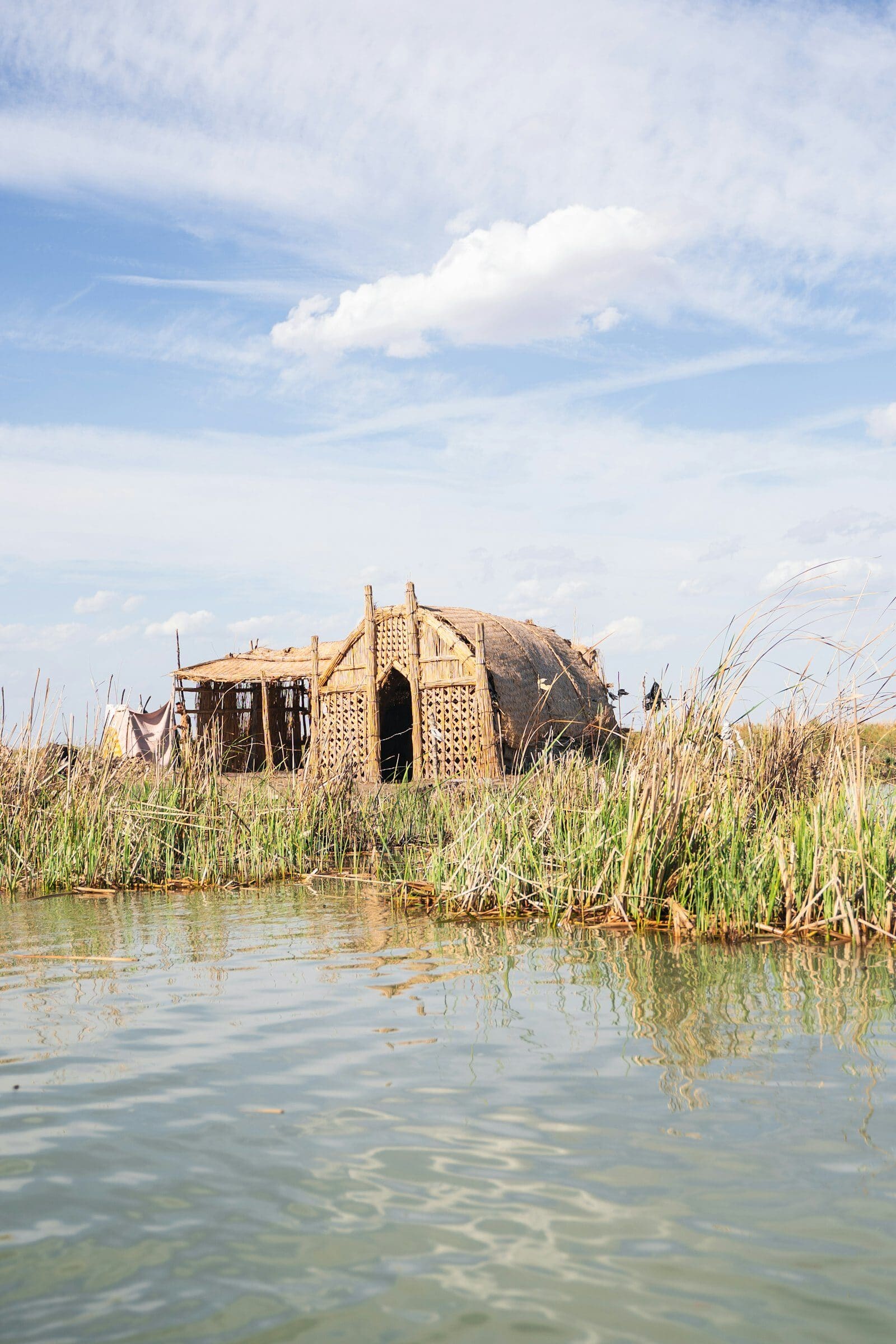
The confluence of the Tigris and Euphrates, and Adam's Tree of legend. A welcome by the marsh dwellers: preparing masgouf together, a balam boat among the buffalo, and a night in a Sumerian reed mudhif with conversation by the fire.
Ur, Nippur & Najaf
A marsh-dwellers' breakfast, then the Ziggurat of Ur with its temples, the oldest courthouse and the oldest arch in history, the royal palace and royal cemetery. The Ziggurat of Nippur at Afak, religious capital of Sumer. Evening: the Kufa Mosque, the House of Imam Ali, and the Kufa corniche on the Euphrates.
Najaf, Babylon & Baghdad
Wadi al-Salam at dawn. The Imam Ali Shrine and the old alleys of Najaf within its walls; the street of bookstores. The boat-builders of Kufa, who still export to all of Iraq. The shrine of Prophet Dhul-Kifl (Ezekiel) at the Al-Nukhailah Mosque. Babylon: palaces, temples, the Processional Street, the Ishtar Gate and the Lion of Babylon, then the palace of Saddam overlooking the ruins. Sunset over Hilla.
Baghdad
Kahi and gaimar breakfast. The Mustansiriya Madrasah, Al-Saray market, Al-Mutanabbi Street and its statue, a river tour on the Tigris, the Qashla and its clock tower, the Liberation Monument, the Abu Nuwas corniche, and the statue of Scheherazade and Shahryar from the Thousand and One Nights.
Anbar: Heet & Ramadi
Khan Dhari, ground of the 1920 Revolution. Heet: the ancient citadel, the natural bitumen springs, and the waterwheels of the Euphrates, one of the oldest irrigation systems in the world. A workshop where sesame paste and date syrup are made the old way. Night with a local family in Ramadi.
Samarra, Hatra & Mosul
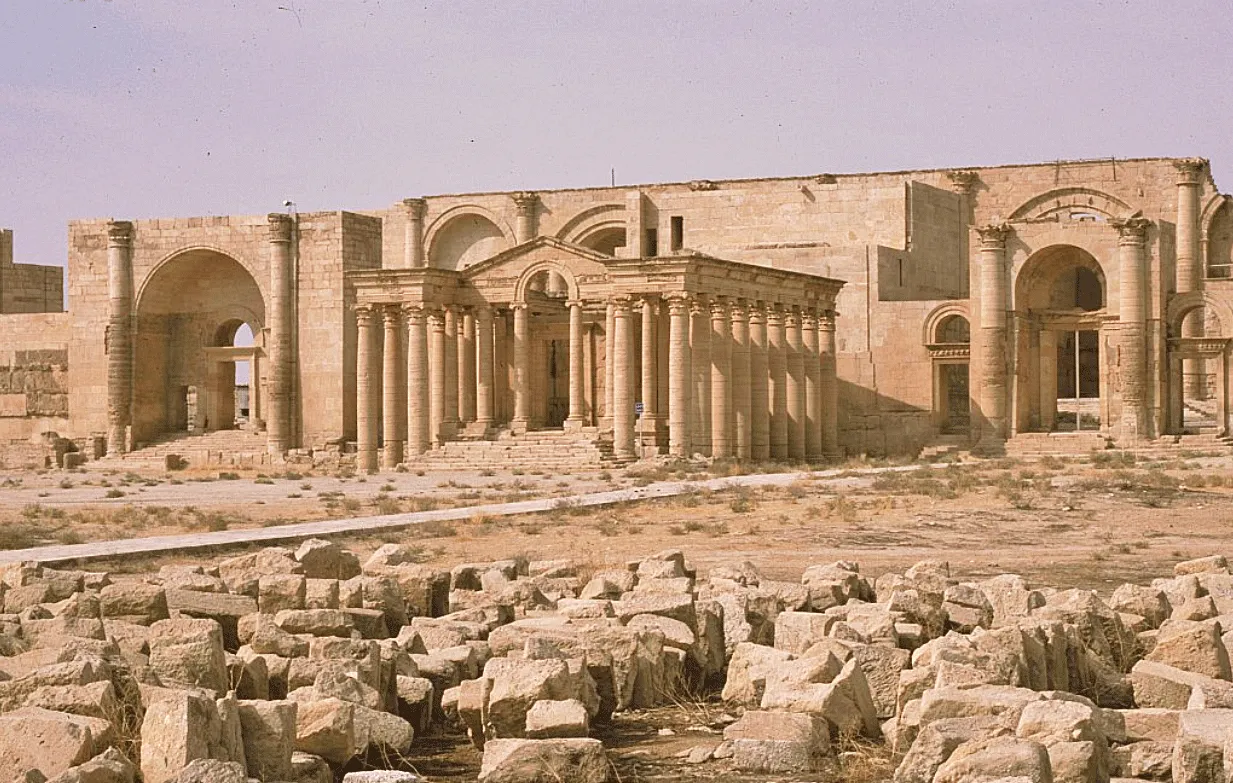
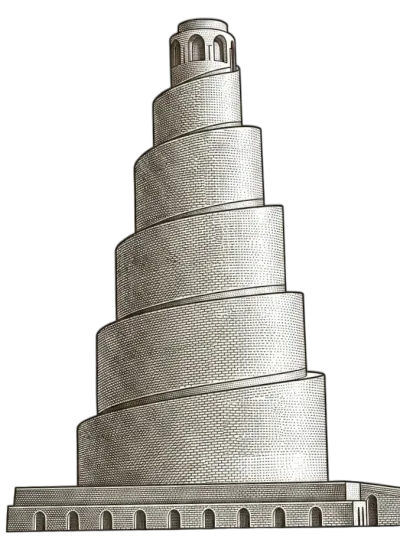
The Malwiya of Samarra, the Pool Palace, the historic prison of Imam Ali al-Hadi. Hatra, the first Iraqi site on the World Heritage List, and its sunset. A heritage hotel in Mosul and a traditional Mosuli dinner.
Nineveh & Mosul
The Grand Al-Tahira Church of Qaraqosh, visited by Pope Francis; the Qaraqosh Syriac heritage museum. The wall of Nineveh and its gates; the mosque of Prophet Jonah above the Assyrian palace. Hosh al-Bieaa, where four churches gather around a cathedral. The Great Al-Nouri Mosque and the Hadba Minaret; the war ruins; the Baytna Foundation's Mosuli Heritage Museum, where young Mosulis rebuilt their city from the rubble.
Alqosh, Lalish & Amadiya
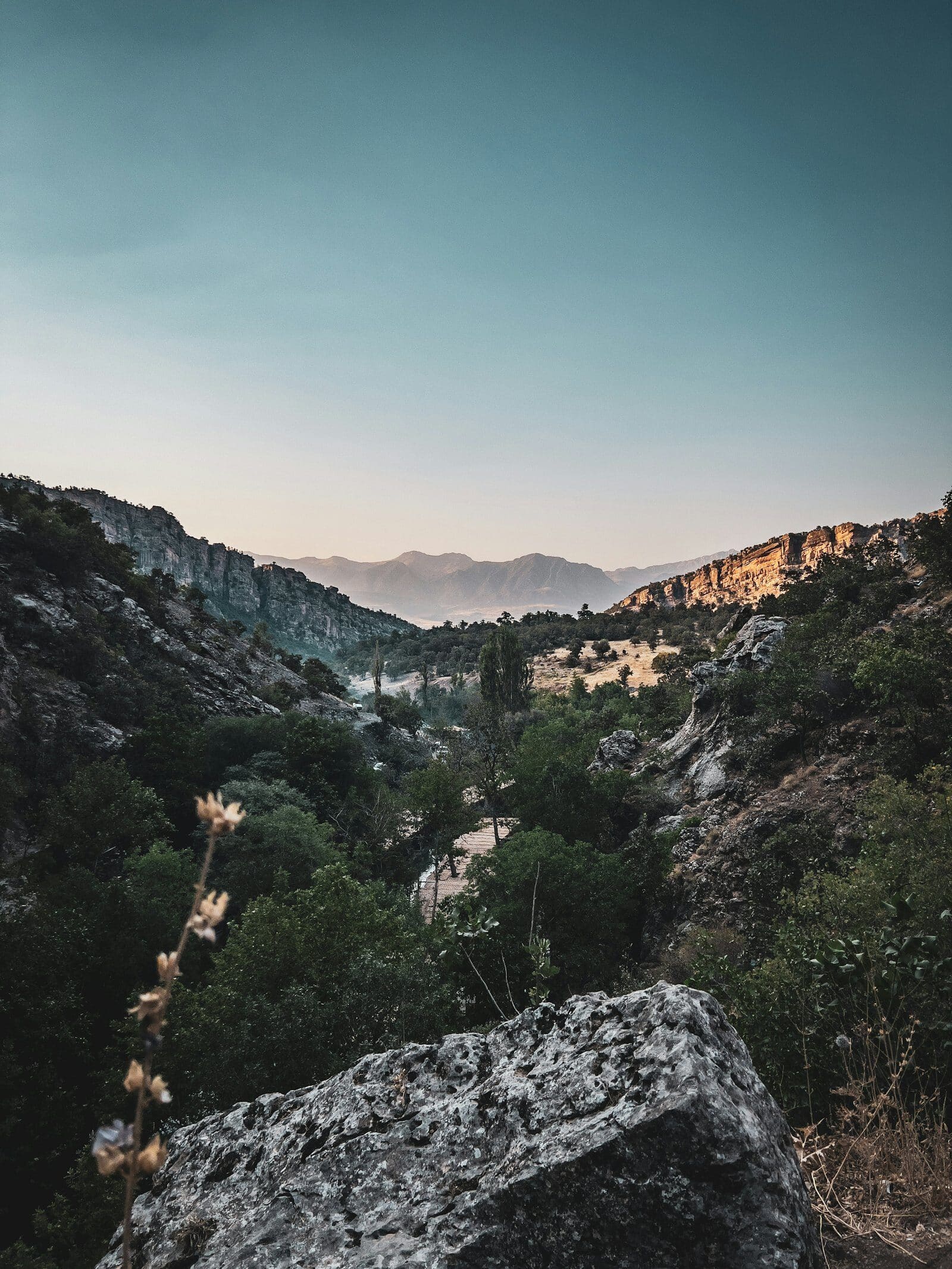
The Rabban Hormizd Monastery carved into the mountain; the old village of Alqosh and its heritage museum; the restored tomb of the Prophet Nahum. Lalish, the holy temple of the Yazidis. Camp on the mountain above Amadiya, watching the sunset over the mesa.
Amadiya to Akre
Amadiya, the city of a thousand houses where building has ceased since ancient times. Shanidar Cave, where the remains of ten Neanderthals have been found. Akre: lunch in a village, the mosque and the market, then 500 steps up the old alleys to the citadel, on the path the town follows at Newroz, with sunset at the highest point of the town.
Akre to Erbil
The Erbil Citadel, one of the oldest continuously inhabited urban centers in the world, and its surrounding market with heritage cafes. The Mudhafaria Minaret. Lunch at Sami Abdulrahman Park. Iskan Street and Erbil nightlife with the locals.
Erbil, Sulaymaniyah & Halabja
A long morning drive to the Halabja Monument and its war relics. Byara in the Hawraman mountains, a UNESCO cultural landscape: a light hike on the Iraqi-Iranian border and a local lunch. Sulaymaniyah: the Grand Mosque, the Grand Bazaar, the Qashla. Salim Street and Sarchinar for the night.
Kirkuk to Erbil
The archaeological Kirkuk Citadel, where mosques, churches and shrines of prophets stand together; the wax museum of the Qashla. Ankawa on the edge of Erbil, then assisted departure at Erbil Airport. End of program.
- 14-day guided program from Basra Airport pickup to Erbil Airport drop-off
- English-speaking guide throughout, with specialist local guides at Ur, Nippur, Hatra, Lalish, Erbil and Mosul
- Private transportation including fuel and driving
- 14 nights in 4-star hotels (or best available equivalent), including three special nights (a reed mudhif in the marshes, a family home in Ramadi, a camp above Amadiya)
- Full-board meals - breakfast, lunch and dinner daily
- All entry tickets to the listed archaeological and cultural sites
- All activities (marsh boat, Shatt al-Arab boat, river tours, hikes)
- The program is open to adjustment to suit the traveler
- International flights to/from Iraq
- Iraqi visa fees
- Travel insurance
- Personal expenses (souvenirs, minibar, laundry)
- Tips for guide and driver (optional)